

Recently, HFSecurity, a leading global provider of biometric solutions, successfully deployed its dual-mode biometric terminal HF-PA15 (palm vein and facial recognition all-in-one machine) in a large-scale smart locker project in Thailand. This project not only brings a safe, hygienic, and ultra-fast cardless access experience to local Thai users but also marks another significant breakthrough for HFSecurity in the field of smart public infrastructure in Southeast Asia.
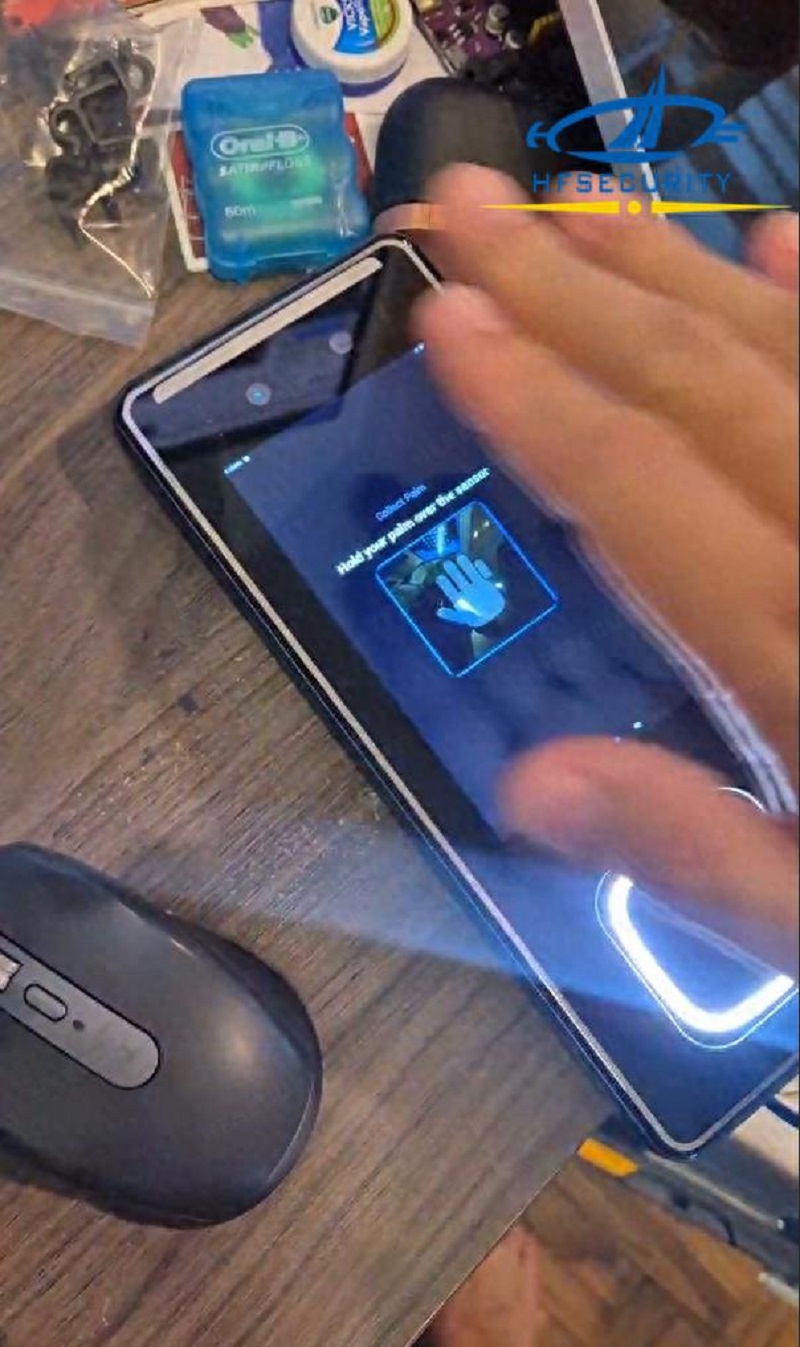
With the deepening of Thailand's national strategy, Thailand is rapidly emerging as a core digital hub in the ASEAN region.
A Solid Digital Economy Foundation: According to the authoritative report "Google e-Conomy SEA 2025," Thailand's total digital economy merchandise volume (GMV) reached $56 billion USD (approximately US$56 billion) in 2025, a year-on-year increase of 16%, firmly establishing itself as the second largest digital economy in Southeast Asia. Meanwhile, Thailand's Ministry of Digital Economy and Society (MDES) predicts that by 2026, Thailand's digital GDP will reach approximately $5.6 trillion (about 5.6 trillion baht), representing a year-on-year growth of 4.2%, twice the growth rate of its overall national GDP.
Biometrics and Digital Identity Adoption: Driven by policy, Thailand's Electronic Transactions Development Agency (ETDA) has integrated digital IDs into over 1,797 government online services, with the cumulative number of created digital ID accounts exceeding 162.63 million. This has fostered a very high acceptance of cutting-edge security technologies such as biometrics among the Thai public.
Explosive Growth in the Palm Vein Market: According to the latest data from industry research firm SNS Insider, the global palm vein scanner market is projected to grow from $1.15 billion USD in 2025 to $8.67 billion USD in 2035, representing a compound annual growth rate (CAGR) of 22.36%. The Asia Pacific region is ranked as the largest and fastest-growing market globally. Especially in scenarios such as supermarkets, public transportation, and shared gyms, the market demand for contactless, highly secure smart lockers has exploded.
Against this backdrop, traditional key, IC card, and contact fingerprint lockers, due to their susceptibility to loss, counterfeiting, and hygiene concerns (given the increased sensitivity to public health in the post-pandemic era), are being rapidly replaced by "contactless, highly secure" biometric technologies, such as palm vein recognition.
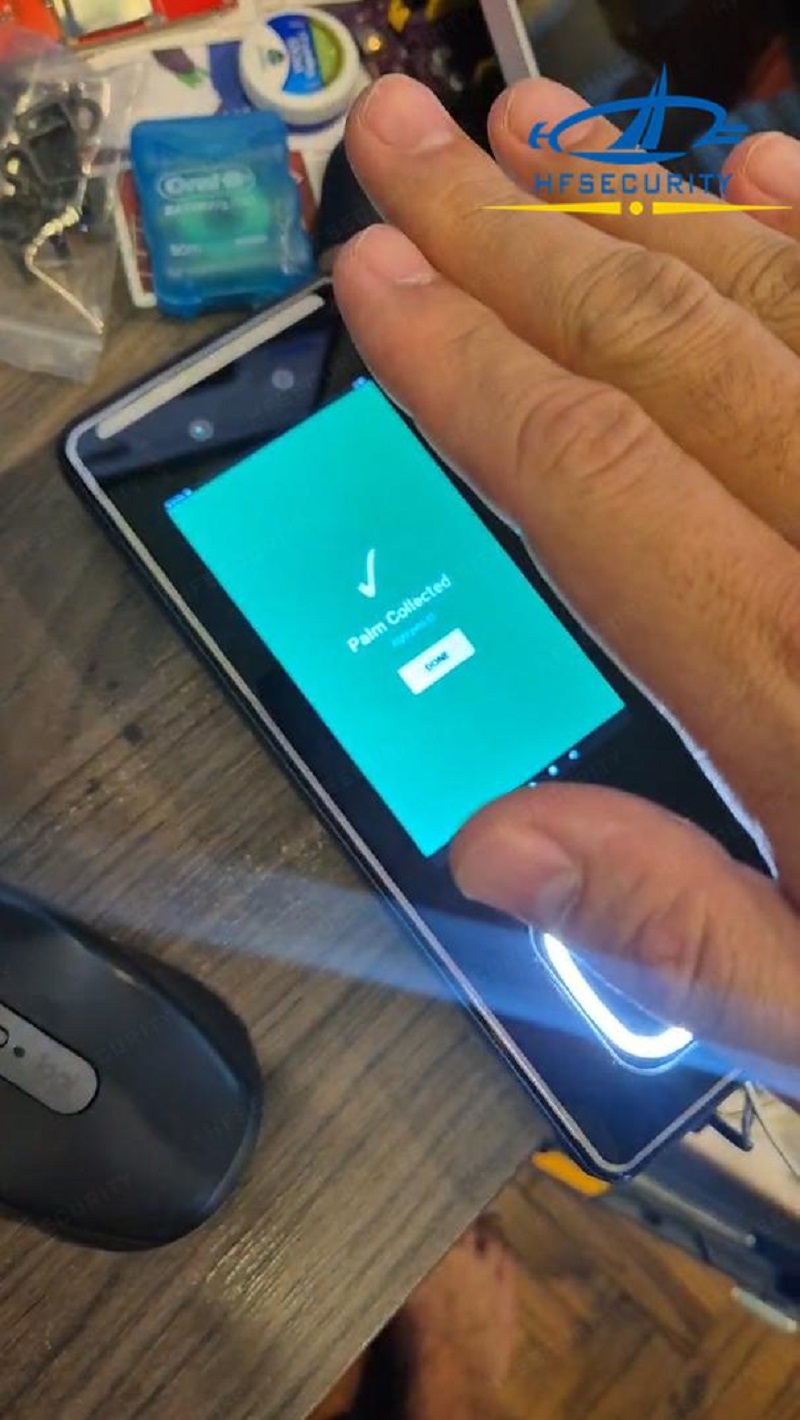
During the preparation phase of a smart locker project in Thailand, operators faced the following significant challenges:
High operating costs: Traditional lockers rely heavily on RFID cards or physical keys. Statistics show that costs for card replacement, unlocking, and maintenance due to lost cards/keys account for over 30% of daily operating costs.
Security vulnerabilities: Ordinary facial recognition is easily spoofed by high-definition photos, videos, and even 3D masks; fingerprint recognition is prone to failure due to dirty, sweaty, or peeling hands.
Public health concerns: Frequently touched physical buttons or fingerprint panels can easily become a medium for the spread of bacteria and viruses, failing to meet modern public hygiene standards. To address the aforementioned challenges, the project team ultimately introduced the HFSecurity PA15 palm vein facial recognition smart terminal as the core authentication engine for the locker system.
The PA15 deeply integrates facial recognition and palm vein recognition, constructing a multi-dimensional, contactless security network.
Users do not need to physically touch any device surface when storing or retrieving items. The PA15 supports contactless palm vein recognition from 5cm to 15cm. It achieves millisecond-level fast unlocking while ensuring an excellent hygienic experience.
Unlike facial or fingerprint recognition, which rely on external physical features, palm vein recognition reads the absorption of near-infrared light by hemoglobin flowing beneath the skin. This physiological characteristic is unclonable and exists only in a living body. The PA15 incorporates advanced anti-spoofing algorithms, combined with a dual-lens camera (RGB + near-infrared IR), effectively resisting spoofing attacks from laser-printed photos, color videos, electronic screens, and various fake hand molds.
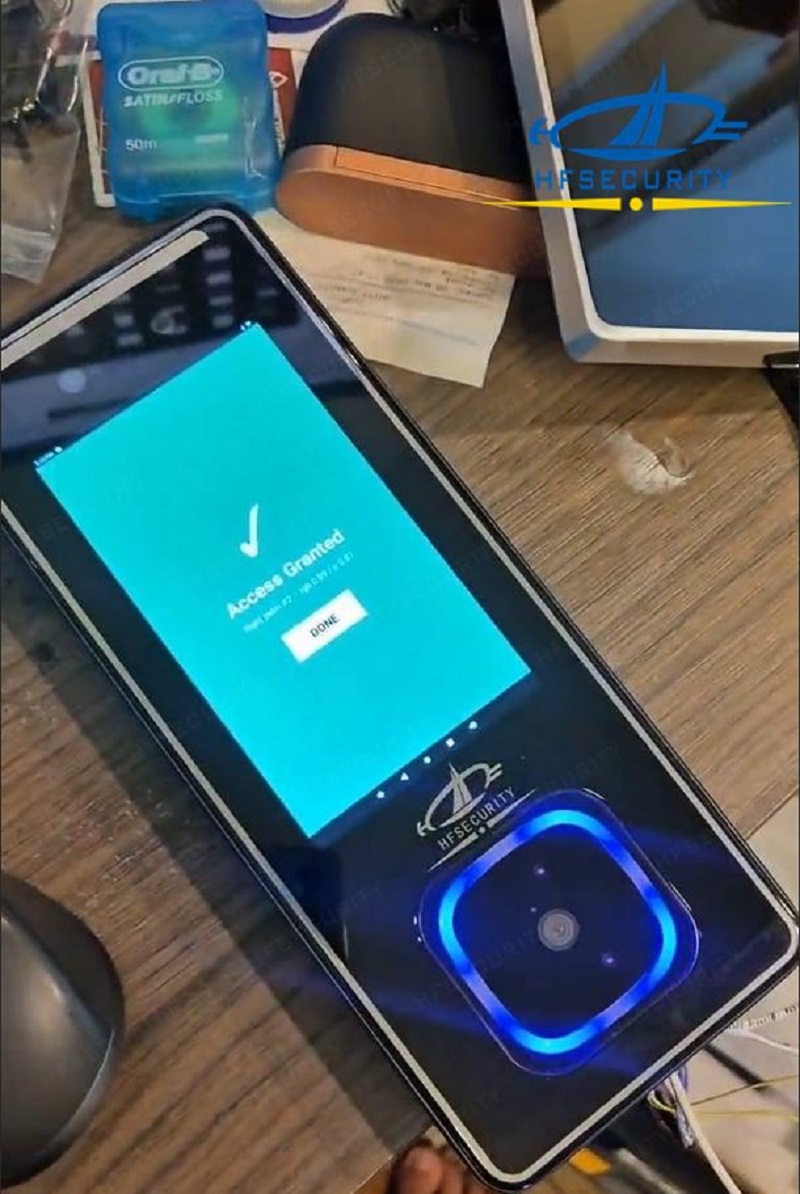
Currently, the first batch of smart lockers equipped with HFSecurityPA15 are about to be put into operation in pilot areas of Thailand. This solution solves the following problems:
Zero credential turnover: Completely eliminating cards and keys, users can access lockers simply by swiping their palms, reducing complaints due to lost credentials by 98%.
Accurate and stable recognition: Because palm vein recognition is unaffected by surface dirt, sweat, and humidity, in Thailand's consistently hot and humid climate, the device's overall false rejection rate (FRR) drops below 0.01%, and the false acceptance rate (FAR) is below 0.0001%.
Double the management efficiency: PA15 provides an SDK/API that seamlessly integrates with Thailand's local cloud management system, allowing operators to monitor the occupancy status and security logs of each locker in real time.
The head of overseas markets at HFSecurity stated, "Thailand is a strategically vital market for HFSecurity in Southeast Asia. The successful application of the PA15 in the smart locker project not only demonstrates the high reliability of our palm vein technology in harsh, high-frequency public environments, but also sets a new benchmark for the upgrading of smart government, smart parks, and smart retail throughout the ASEAN region. In the future, we will continue to uphold the core principles of 'safety, convenience, and hygiene,' empowering global customers with even better biometric solutions."