

1. Necessity
First, consider whether it's necessary. People buy locks for security. Traditional mechanical locks require carrying keys at all times, and forgetting or losing keys is common. Capacitive Fingerprint Scanner are a better option. However, for those accustomed to traditional mechanical locks, whether to buy a Fingerprint Scanner remains to be seen.
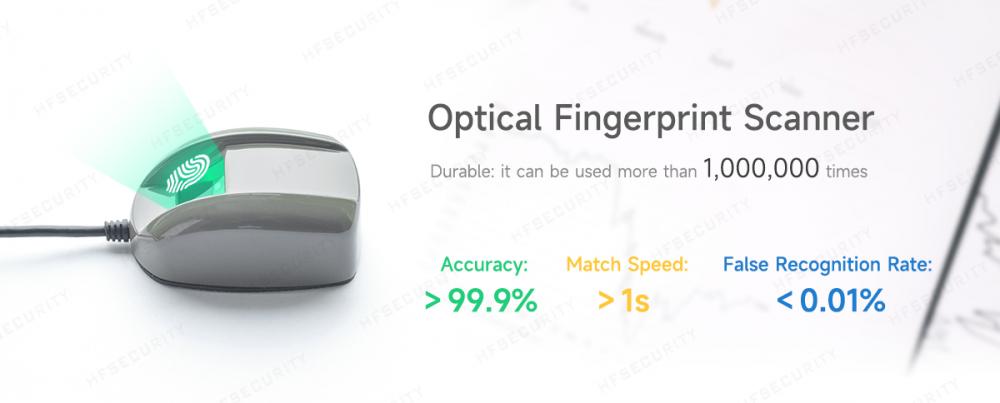
2. Demand
Many Capacitive Fingerprint Scanner offer upgrades over traditional locks, featuring C-grade lock cylinders, 304 stainless steel anti-theft lock bodies, one-piece precision-cast multi-point lock tongues, live biometric fingerprint sensors, and various self-defense alarm systems for anti-opening, anti-prying, and anti-theft, significantly improving security.
The convenience of Capacitive Fingerprint Scanner is self-evident; they eliminate the hassles associated with keys. Furthermore, Capacitive Fingerprint Scanner are easily understood as a cosmetic feature. Compared to traditional locks, Capacitive Fingerprint Scanner offer a more stylish and elegant design, and their inherent technological features highlight the user's taste.
3. Performance
The stability of product hardware and functionality remains a challenge, and there's no specific, quantifiable metric. Fingerprint Scanner brands with a solid market presence are generally reliable choices. 4. Price
For most Fingerprint Scanner manufacturers, the development and production of a Fingerprint Scanner begins with mold design, integrating complex technologies such as fingerprint recognition and electronic passwords. This process involves lengthy debugging and testing, resulting in costs dozens or even hundreds of times higher than those of mechanical locks.
Finally, Capacitive Fingerprint Scanner also incur significant after-sales costs, leading to significant price differences. Furthermore, current Fingerprint Scanner prices are constantly breaking the bottom line, with the market flooded with inferior, low-priced products, impacting prices, pushing them closer to cost.